What you will find in our collection
Traditional harvest dolls
- Foundational figures
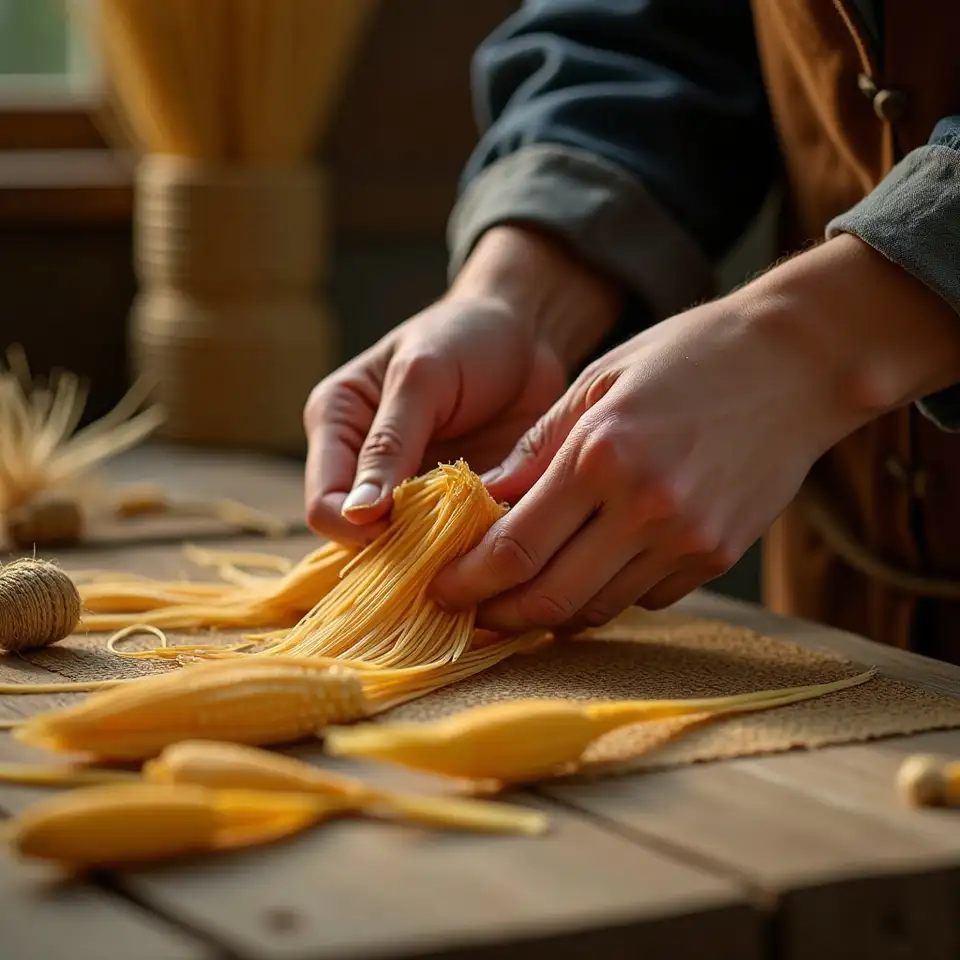
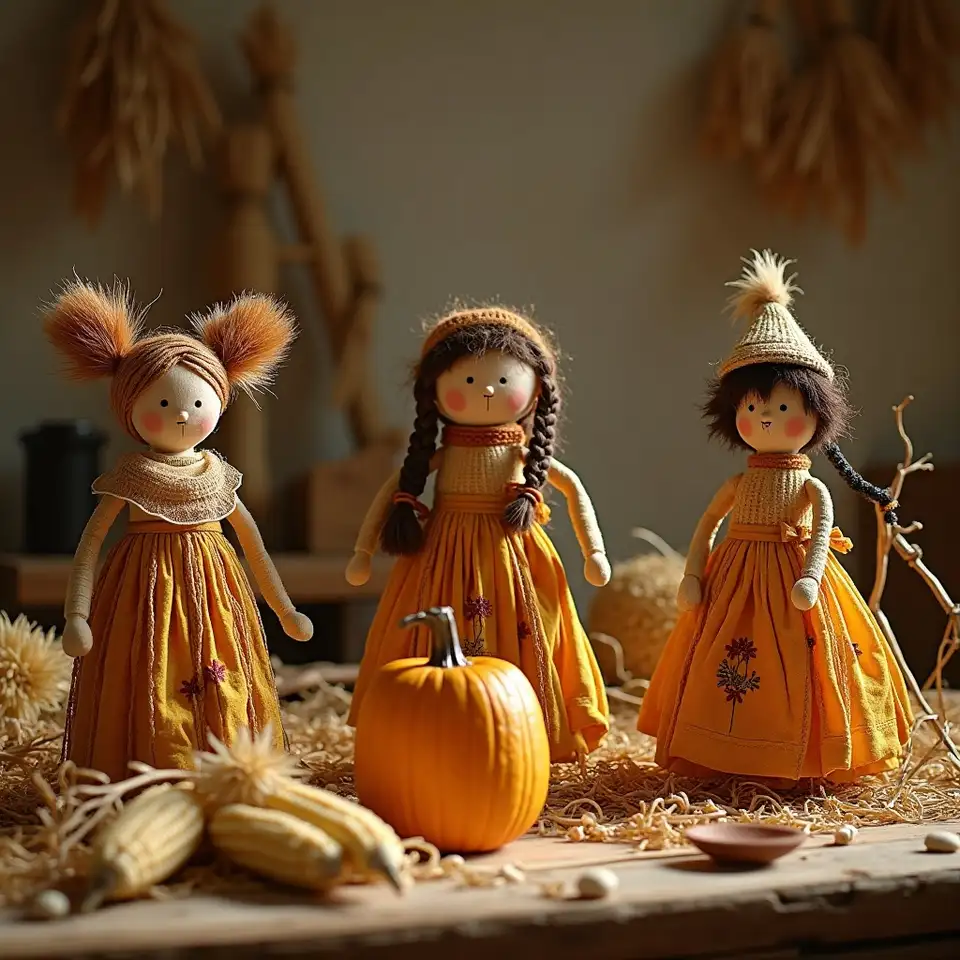
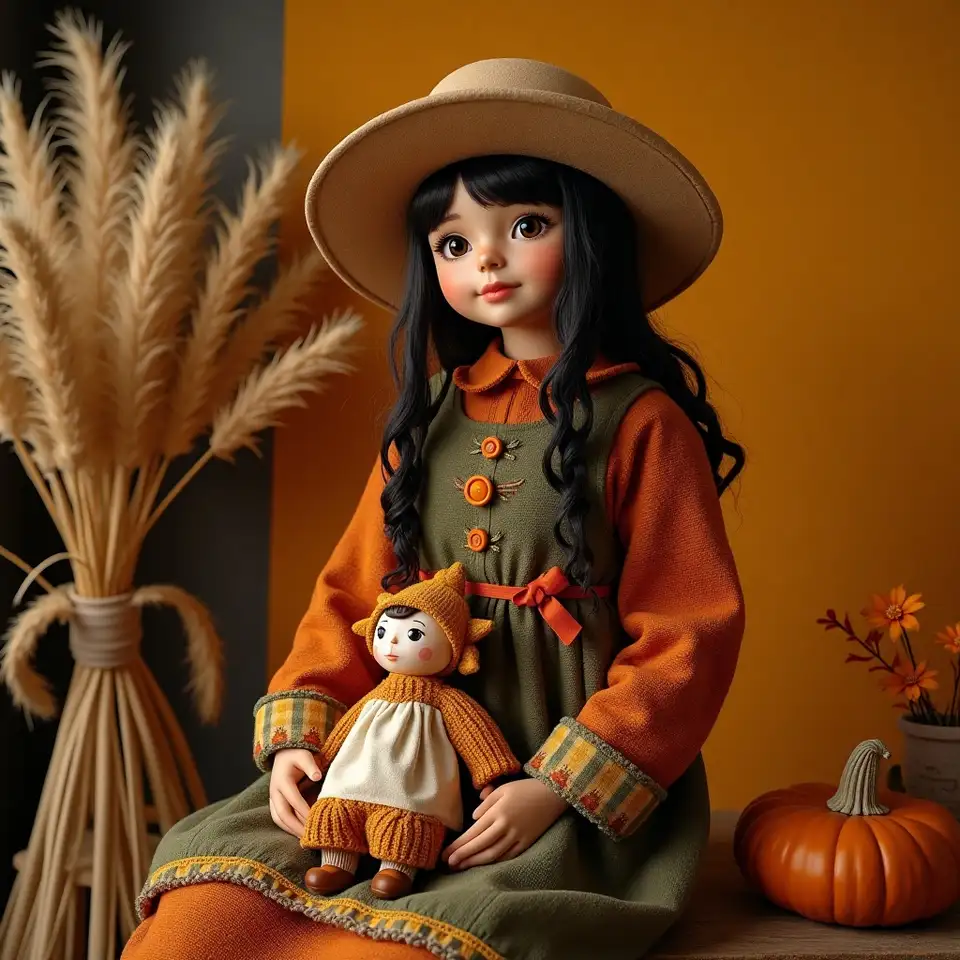
- These patterns represent the core of cornstalk doll weaving heritage. Each design has been traced to regional origins and documented through oral histories. We preserve the original methods while adapting instructions for modern accessibility. Beginners start here because these dolls teach fundamental folds, ties, and material handling that every advanced pattern builds upon.
- Regional origin documented
- Core techniques taught
- Beginner appropriate
Decorative figures
- Ornament and display
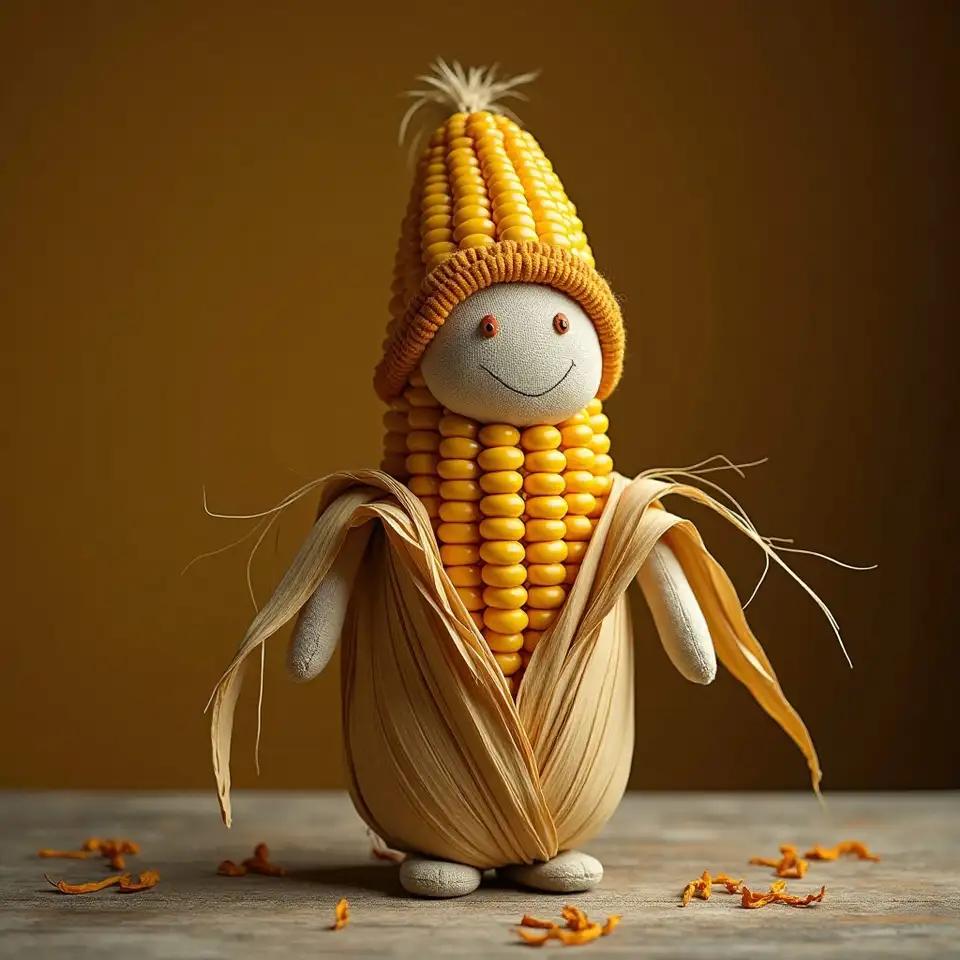
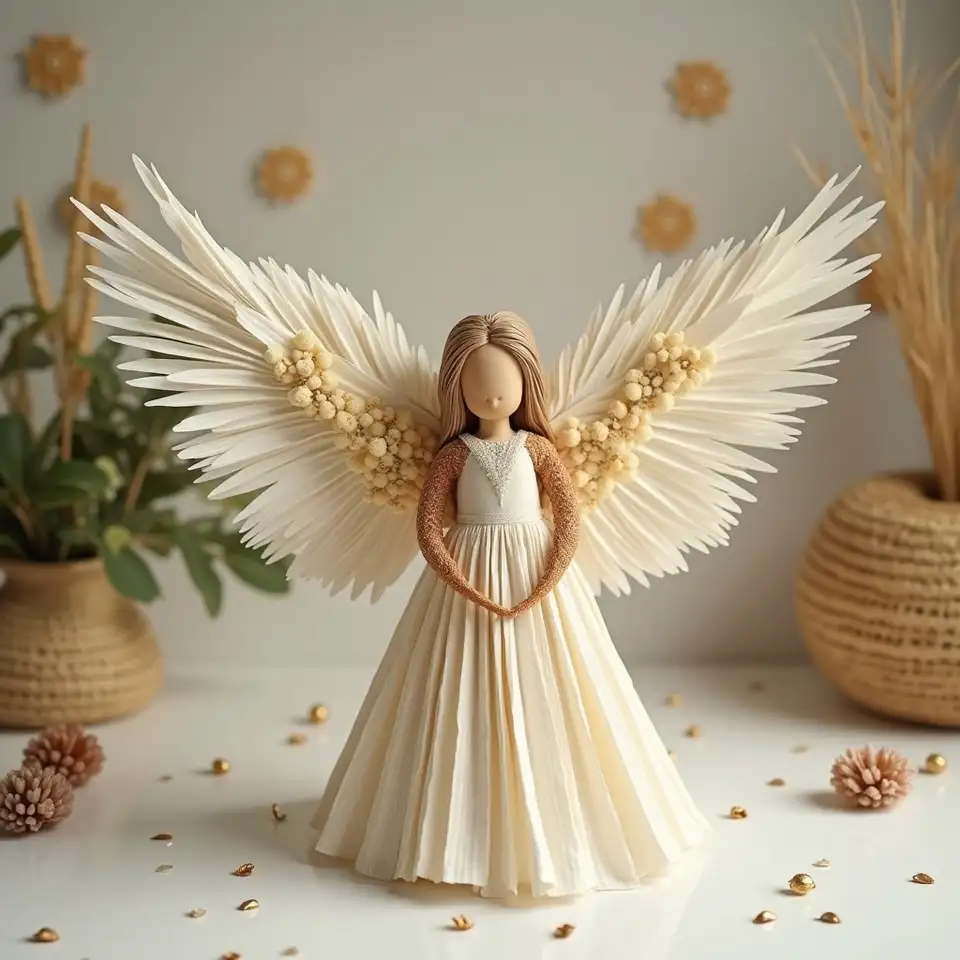
- Beyond the traditional harvest maiden, corn husks can become angels, animals, and abstract forms. These patterns introduce decorative elements like woven accessories, painted details, and structural variations. They are designed for makers who want to create display pieces or gifts that showcase the versatility of natural materials.
- Display quality finish
- Gift appropriate designs
- Accessory techniques
Seasonal themes
- Year-round crafting
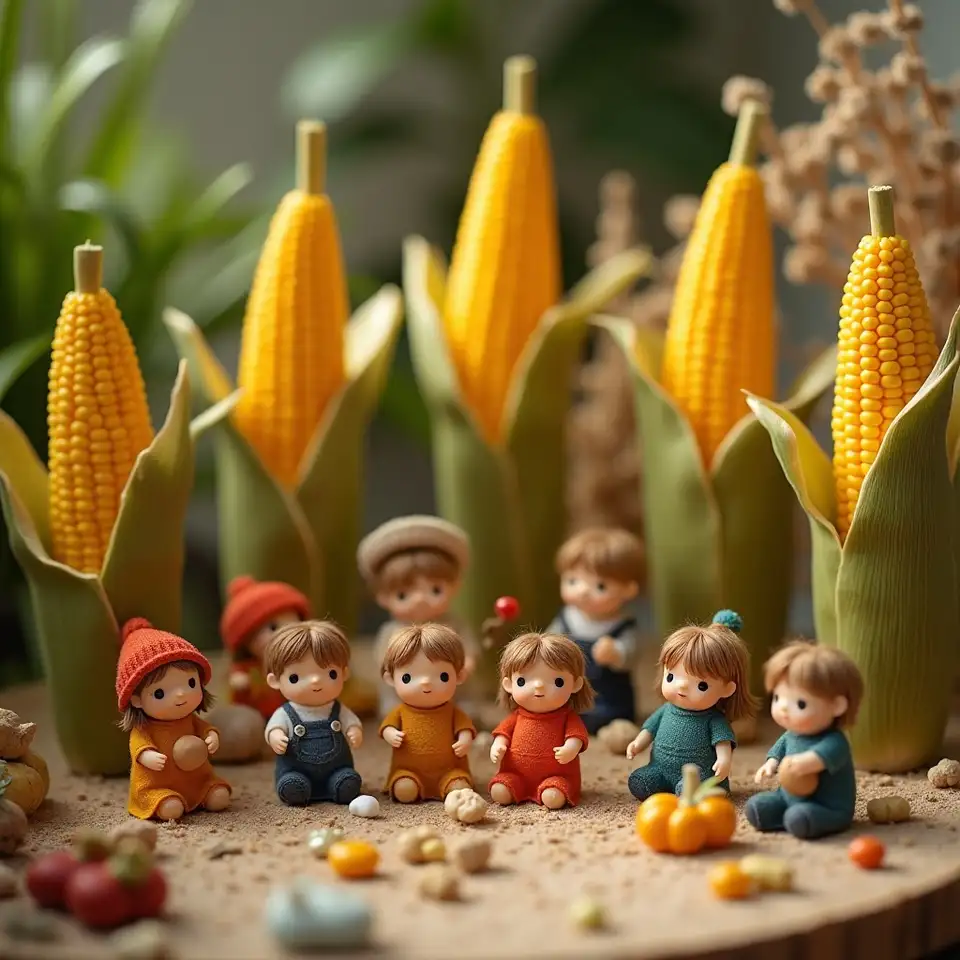
- Autumn harvest is the traditional season, but cornstalk dolls adapt to any celebration. Patterns for spring figures, summer garden spirits, and winter ornaments expand the craft beyond its agricultural roots. Each seasonal design considers material availability and drying conditions appropriate to the time of year.
- Year-round projects
- Seasonal materials guide
- Holiday adaptations
Custom designs
- Personal interpretation
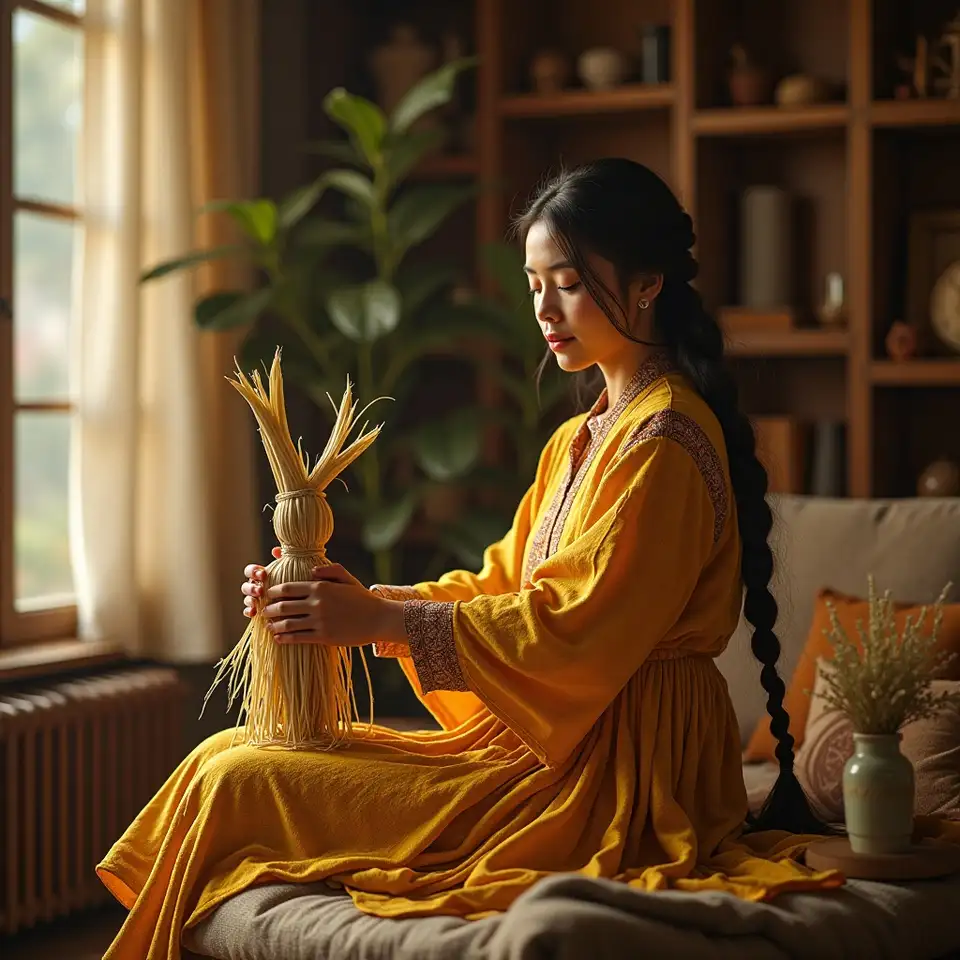
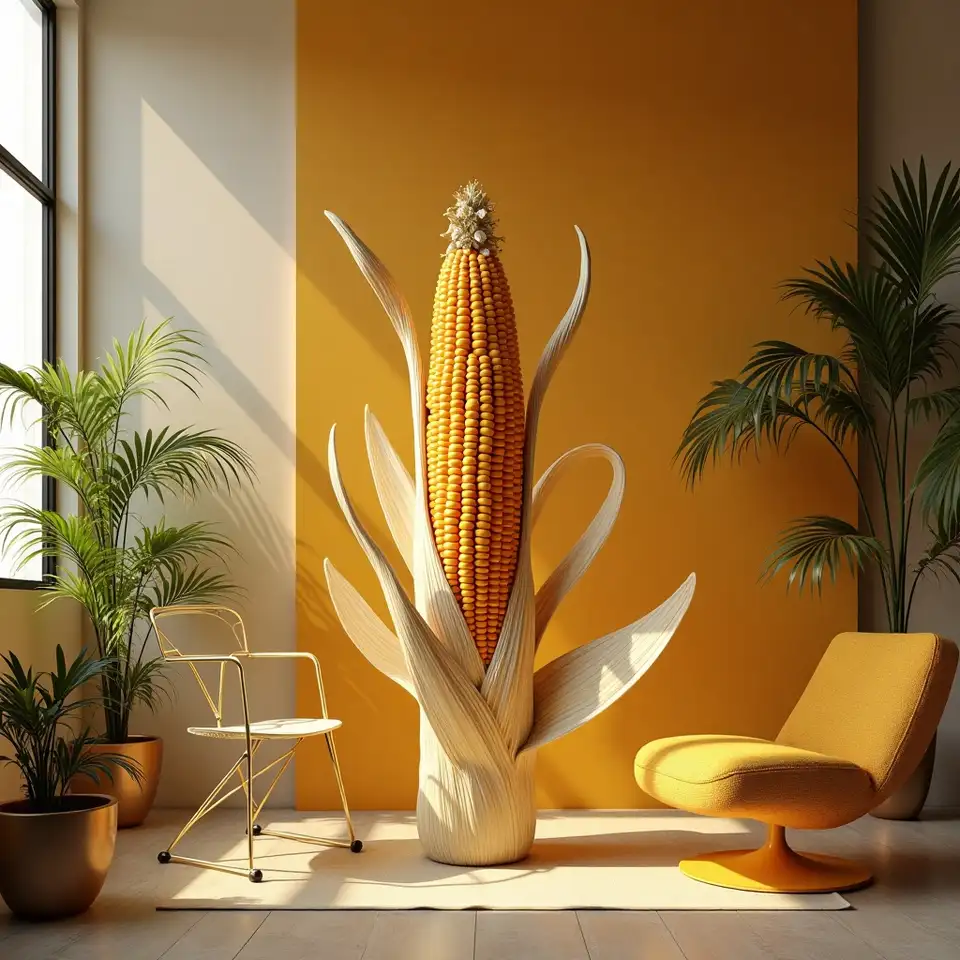
- We encourage makers to develop their own variations. This section provides structural frameworks rather than rigid instructions, explaining how proportions, arm placement, and skirt fullness affect the final character of a doll. Use these guides to design figures that reflect your own aesthetic and cultural influences.
- Flexible frameworks
- Proportion guides
- Personal expression
Heritage archive patterns
- Preserved techniques
- Some regional variations exist only in the memories of elder weavers. Our heritage team documents these rare techniques before they disappear. These patterns may use unconventional methods or materials no longer common, offering a window into how the craft was practiced in earlier generations.
- Rare techniques saved
- Oral history sourced
- Historical context included