Growth
Steady interest in folk crafts has grown as more people seek meaningful, hands-on creative activities
What We Stand For as Craftsmen and Community Builders
Our Journey
From a single workshop to a growing community of weavers
Core Values
The principles that guide every pattern, workshop, and community interaction
Sustainability
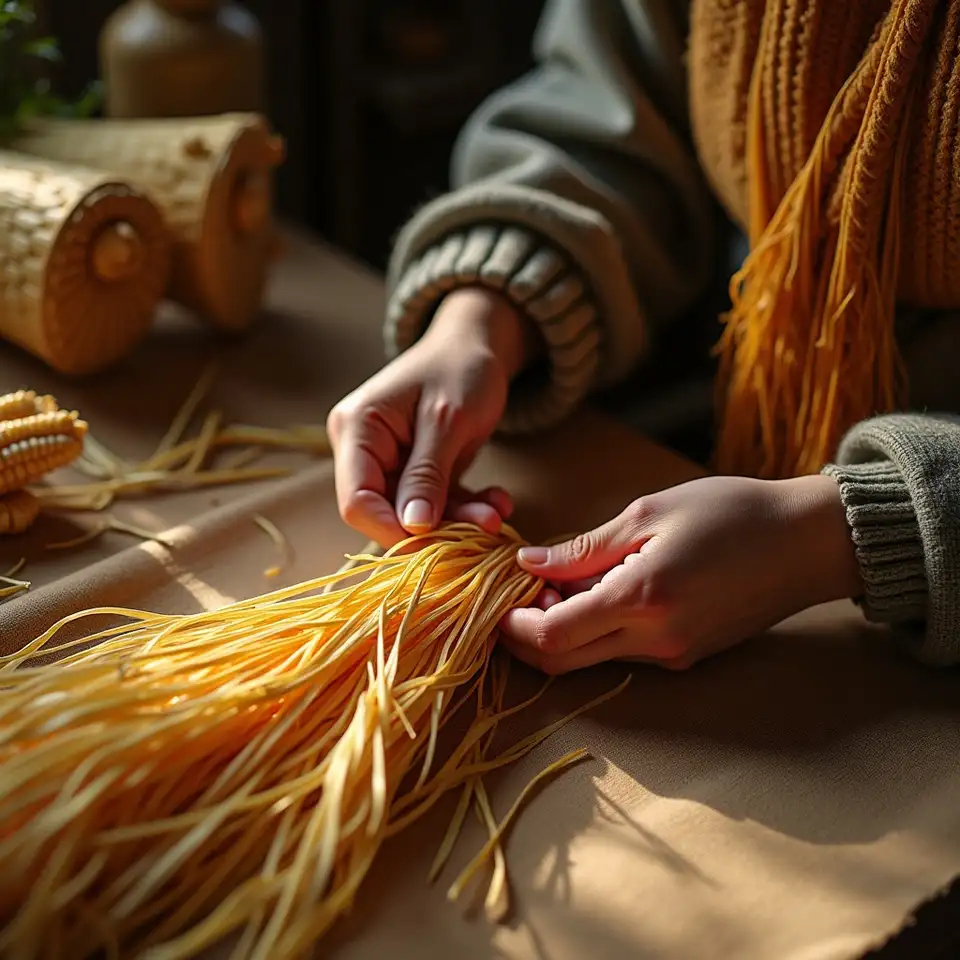
We choose materials that grow in gardens and fields, not factories. Cornstalks are a byproduct of harvest, not a crop grown for craft purposes. When you finish a doll, any scraps compost in weeks. We teach techniques that use the whole stalk, minimizing waste. Our packaging for workshop kits is recycled paper or reusable cloth. We do not pretend this craft will save the planet, but we do believe small choices matter. Every synthetic material replaced with a natural one is a step toward keeping traditional crafts environmentally honest.
Creativity
Every weaver brings their own interpretation. We provide starting patterns, but we celebrate the deviations: a taller doll, a painted face instead of drawn, a corn husk hat replaced with dried grass. The archive exists to inspire, not to enforce orthodoxy. We run seasonal challenges where the only rule is to start with cornstalks. The results range from traditional harvest figures to abstract sculptures. This openness keeps the craft alive because it allows each generation to make it their own.
Preservation
Without documentation, folk crafts become vague memories. We record techniques in
multiple formats: written instructions with photographs, video demonstrations, and
live workshops where learners can ask questions. Older weavers are interviewed while
they still have the dexterity to demonstrate. We store these records in accessible
formats, not proprietary ones. The goal is simple: in fifty years, someone should be
able to pick up our archive and learn exactly how a cornstalk doll was made in this
era.
The Weavers Behind Ithyockongioplyre
Margaret Chen
Lead Weaver and Pattern Designer
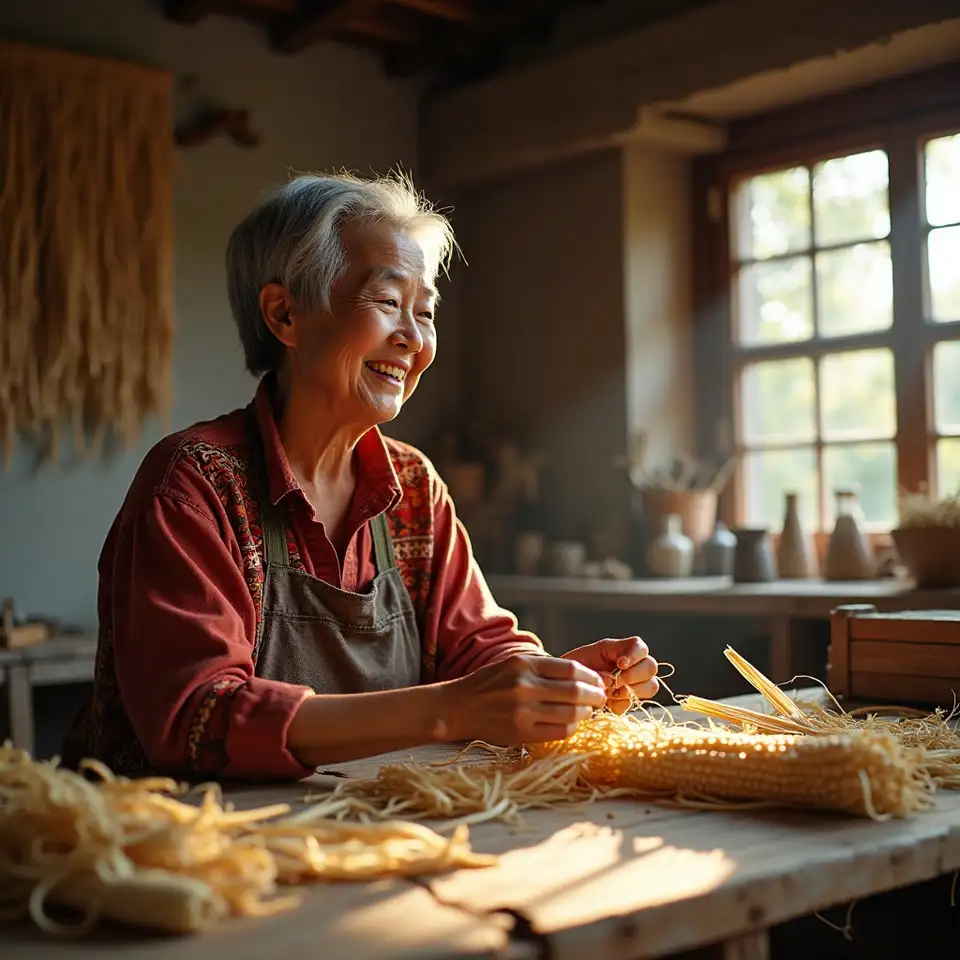
Margaret learned cornstalk doll weaving from her grandmother in rural Ohio. She spent fifteen years refining techniques and teaching community classes before founding Ithyockongioplyre. Her patterns are known for clear instructions that assume no prior crafting experience.
Traditional techniques
Pattern design
Community teaching

James Okafor
Workshop Coordinator and Archivist
James manages our regional workshop schedule and maintains the heritage archive. He interviews older weavers and documents regional variations. His background in library science helps organize our growing collection of photographs and oral histories.
Oral history
Event planning
Archive management

Sarah Whitfield
Online Community Manager
Sarah moderates our online forum and creates digital content for remote learners. She translates complex weaving steps into accessible language and responds to beginner questions with patience. Her own first doll took three attempts, so she remembers what frustration feels like.
Digital content
Beginner support
Community moderation
David Patel
Materials Sourcing and Sustainability
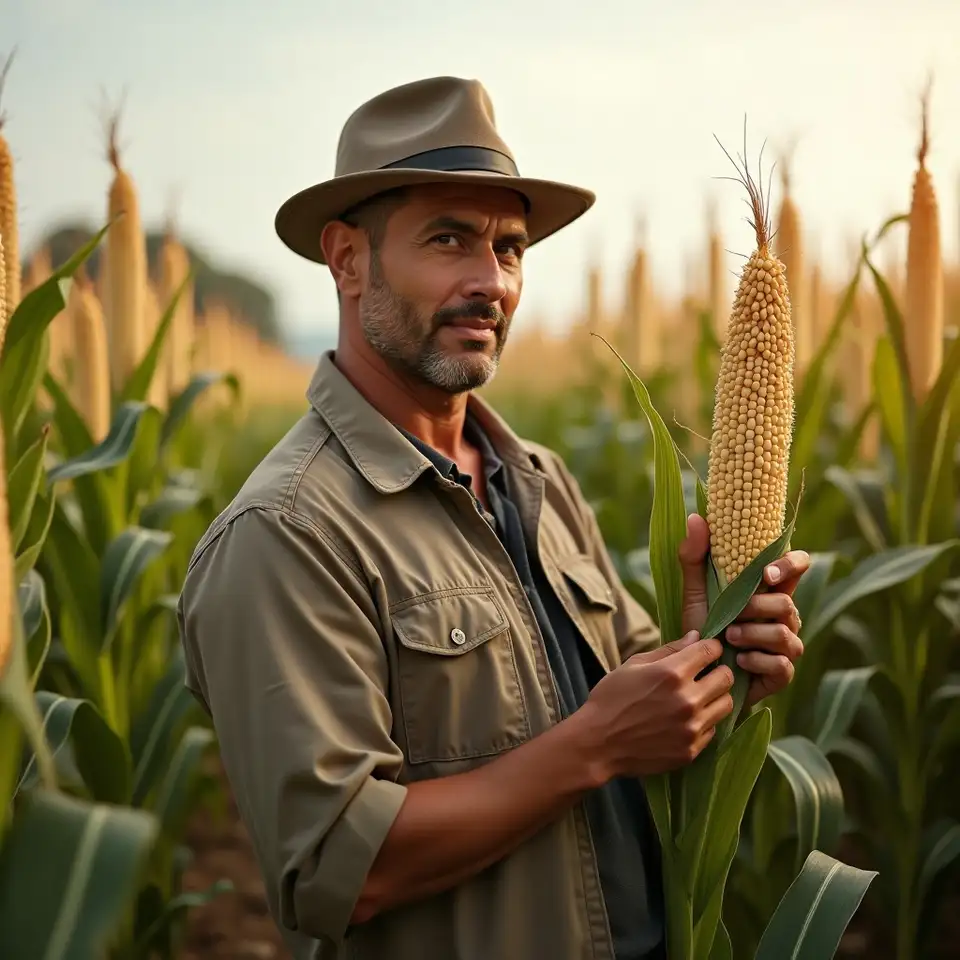
David ensures our workshop supplies come from ethical, local sources. He tests alternative natural materials and advises on composting and waste reduction. His background in agricultural science helps him understand corn cultivation and harvest cycles.
Sustainable sourcing
Material testing
Local partnerships